
What Is Insomnia Treatment? Understanding Your Options
Insomnia treatment is a comprehensive approach that combines behavioral therapy, medication, and lifestyle adjustments to help you fall asleep, stay asleep, and finally wake up feeling restored. We know how draining it is to spend another night staring at the ceiling while your mind races — that hollow exhaustion that follows you through every waking hour is something no one should have to endure alone. You deserve compassion, not judgment, for the struggle you are facing, and it is okay to admit that you are tired of being tired.
The most effective insomnia treatment does not just mask your symptoms; it identifies and addresses the underlying patterns keeping you awake, whether that means cognitive behavioral therapy (CBT-I), short-term medication, or rebuilding your sleep environment from the ground up. Taking the first step toward insomnia treatment can feel daunting, but every night of lost sleep you have endured is proof of your resilience — and with the right support, restful nights are absolutely possible.
Related: insomnia treatment — our complete guide.
For practical sleep hygiene tips that work, see our guide.
The 3 Types of Insomnia and How They Affect Treatment
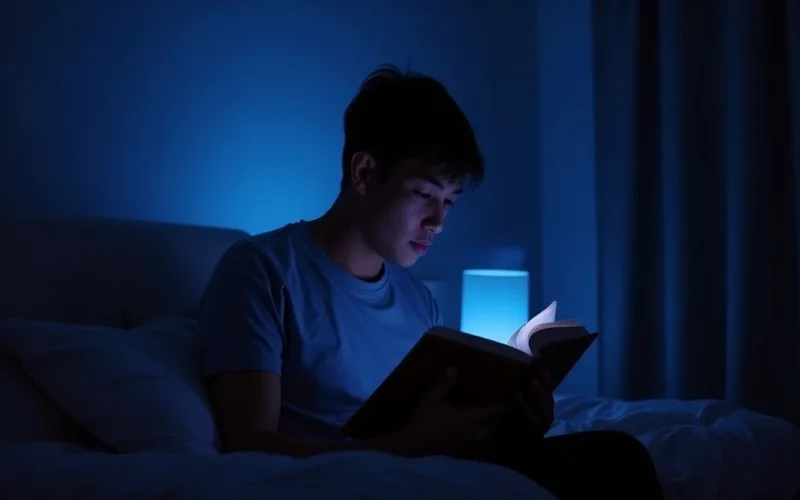
If you have been staring at the ceiling night after night, you already know insomnia is miserable. What you might not realize is that the kind of insomnia you are dealing with changes everything about how it should be handled. Getting the right insomnia treatment starts with knowing which type you actually have.
| Type | Key Signs | Best Treatment Approach |
|---|---|---|
| Acute Insomnia | Lasts days to a few weeks. Triggered by a stressful event — a breakup, job loss, or travel. You can fall asleep but wake up wired at 3 a.m. | Short-term fixes work best. A brief course of sleep medication paired with stress management. Most cases clear up once the trigger resolves. |
| Chronic Insomnia | Happens at least three nights a week for three months or more. Often tied to underlying anxiety, depression, or chronic pain. You dread bedtime. | CBT-I is the gold standard — it retrains your brain’s relationship with sleep. A thorough insomnia treatment plan addresses the root cause. |
| Maintenance Insomnia | You can fall asleep fine but wake up in the middle of the night and cannot get back to sleep. Often linked to hormone shifts, blood sugar drops, or sleep apnea. | Sleep restriction and stimulus control are your best bets. A sleep study can rule out apnea or restless legs. Cutting alcohol and late-night screens makes a big difference. |
CBT-I: The Gold Standard Insomnia Treatment
Cognitive behavioral therapy for insomnia (CBT-I) is the most effective non-medication insomnia treatment available today. Unlike sleeping pills that mask symptoms, CBT-I targets the thoughts and behaviors that keep you awake night after night. Research shows that 70-80% of people who complete a full course of this structured insomnia treatment experience lasting improvement in sleep quality and duration (Qaseem et al., 2016).
CBT-I combines four core techniques: Sleep restriction shrinks your time in bed to match the hours you actually sleep, building a stronger sleep drive. Stimulus control retrains your brain to link bed with sleep — if you lie awake for 20 minutes, you get up and do something calm until drowsy. Cognitive restructuring teaches you to spot and challenge the racing thoughts that fuel nighttime anxiety.
Relaxation training equips you with body-based tools — progressive muscle relaxation, diaphragmatic breathing, and guided imagery — to quiet a revved-up nervous system so sleep can arrive naturally. Most people complete a CBT-I program in 4 to 8 weekly sessions, and the improvements tend to stick long after treatment ends.
Sleep Hygiene: The Foundation of Any Insomnia Treatment
Before pursuing advanced insomnia treatment protocols, the fundamentals must be in place. Research published in Sleep Medicine Reviews found that 50-60% of adults with chronic insomnia see measurable improvement when they consistently apply sleep hygiene principles alongside stimulus control (Irish et al., 2015).
- Lock in a fixed wake time. Same alarm 7 days a week — this anchors your circadian rhythm.
- Reserve the bed for sleep and intimacy only. No work, no scrolling, no eating in bed.
- Get out of bed if not asleep in 20 minutes. Do something dull in dim light, return only when drowsy.
- Cut caffeine by 2 p.m. Caffeine has a half-life of 3-7 hours. An afternoon latte can still be active at midnight.
- Dim lights 90 minutes before bed. Overhead lights suppress melatonin. Switch to warm, low-level lamps.
- Keep the bedroom cool, dark, and quiet. Target 65-68°F (18-20°C). Blackout curtains, white noise.
- Wind down with a consistent pre-sleep ritual. Reading, light stretching, or a warm bath.
- Exercise daily — but not right before bed. Morning or afternoon exercise deepens slow-wave sleep.
- Limit alcohol. That “sleepy” glass of wine actually fragments REM sleep and robs you of restorative sleep.
- Expose yourself to bright morning light. 15-30 minutes of natural sunlight within the first hour of waking.
Natural Remedies and Supplements for Insomnia Treatment
According to the American Academy of Sleep Medicine, chronic insomnia affects approximately 10% of adults (AASM, 2021). Several natural remedies have demonstrated meaningful benefits.
Melatonin: Timing Over Dose. Low doses (0.3-1.0 mg) taken 2-3 hours before desired bedtime are more effective than higher doses taken immediately before bed. Start with 0.5 mg and adjust timing — not dosage — first.
Magnesium: The Calming Mineral. Magnesium glycinate at 200-400 mg before bed binds to GABA receptors and suppresses excitatory neurotransmitters. One trial found elderly participants taking 500 mg daily for eight weeks experienced significantly improved sleep time and efficiency (Abbasi et al., 2012).
Valerian Root. A systematic review of 16 trials concluded valerian modestly but consistently improves subjective sleep quality. Typical dosing is 300-600 mg of standardized extract 30-60 minutes before bed. May take 2-4 weeks to reach full effect.
L-Theanine. Promotes relaxation by increasing alpha brain-wave activity without causing drowsiness — particularly effective when insomnia is driven by racing thoughts. Typical dose: 100-200 mg before sleep.
When Insomnia Treatment Requires a Doctor
While occasional sleepless nights are normal, persistent insomnia lasting more than three weeks warrants professional evaluation. Self-guided strategies often fall short when an underlying medical, psychiatric, or sleep disorder is driving the problem — and delaying proper insomnia treatment can prolong suffering and lead to worsening daytime impairment and long-term health consequences.
Sleep Apnea Red Flags
Seek prompt medical attention if you or a bed partner notice: loud chronic snoring punctuated by gasping or choking, witnessed breathing pauses, morning headaches, excessive daytime sleepiness, or waking with a dry mouth or sensation of choking. A sleep study can confirm or rule out sleep apnea — treating an underlying breathing disorder often resolves the insomnia symptoms that standard insomnia treatment alone could not address.
Insomnia Treatment for Specific Life Stages
Sleep is not one-size-fits-all. Your age, hormones, and work schedule all shape how sleeplessness shows up and how you should respond. The right insomnia treatment for a shift worker looks nothing like what works for someone in menopause.
Pregnancy Insomnia
Hormonal shifts, physical discomfort, and frequent bathroom trips make sleep difficult especially in the third trimester. The insomnia treatment approach here must be conservative. Start with positional adjustments — sleeping on your left side with pillows for support.
CBT-I adapted for pregnancy has shown results without medication risk. Keep the bedroom cool, eat your last meal three hours before bed, and check iron and magnesium levels if restless legs are an issue.
Menopause and Sleep
Declining estrogen and progesterone directly alter your brain temperature regulation. Night sweats and anxiety are so common they are practically defining features of this transition. Keep the bedroom between 60-67 degrees, use moisture-wicking sheets, and consider a bedside fan. Magnesium glycinate before bed and eliminating alcohol can move the needle significantly.
Shift Workers
Working nights puts you in direct conflict with circadian biology. Wear blue-light-blocking glasses on your way home. Blackout curtains are non-negotiable.
Anchor your sleep to the same window every day — even on days off. Short strategic naps of 20 minutes before a shift improve alertness.
Older Adults
Sleep naturally becomes lighter with age. The first step is a thorough medication review — beta-blockers, corticosteroids, and diuretics all interfere with sleep. Get outside within 30 minutes of waking for natural light exposure.
Reduce daytime napping, and avoid over-the-counter sleep aids containing diphenhydramine. A sleep clinic referral can identify underlying sleep apnea.
The Link Between Mental Health and Successful Insomnia Treatment
Mental health and sleep are deeply bidirectional. Research consistently shows insomnia treatment outcomes improve significantly when underlying mental health dimensions are addressed concurrently.
The anxiety-insomnia loop is a self-perpetuating cycle. Anxiety elevates baseline cortisol, keeping the body in a state of hyperarousal incompatible with sleep. Cognitively, anxious individuals experience spiraling thoughts about not sleeping — which themselves generate enough arousal to prevent sleep, confirming the original fear. Breaking this loop is a central objective of CBT-I.
Depression and sleep share an equally entangled relationship. most of individuals with major depressive disorder experience insomnia symptoms. Critically, residual insomnia after depression treatment is the strongest predictor of relapse. According to the National Sleep Foundation, individuals with persistent insomnia are ten times more likely to develop clinical depression.
For trauma survivors, hypervigilance directly antagonizes sleep. The bed becomes associated with reliving traumatic experiences. Specialized trauma-focused interventions, including imagery rehearsal therapy for nightmares and trauma-informed CBT-I, are increasingly recognized as essential components of effective insomnia treatment.
The Role of Technology in Modern Insomnia Treatment
Digital tools have transformed how people access insomnia treatment. From smartphone apps delivering structured cognitive behavioral therapy to wearable trackers that measure sleep architecture, technology offers pathways to better rest that did not exist a decade ago.
CBT-I Apps. Digital CBT-I programs like Sleepio and Somryst have received FDA clearance and demonstrated efficacy in randomized controlled trials. These platforms deliver the core components of CBT-I — sleep restriction, stimulus control, cognitive restructuring, and relaxation training — through interactive modules accessible on a phone or computer.
A 2017 randomized trial published in JAMA Psychiatry found that digital CBT-I produced significant improvements in sleep efficiency and reduced insomnia severity comparable to in-person treatment.
Sleep Trackers. Wearable devices use accelerometry and photoplethysmography to estimate sleep stages, providing users with nightly data on total sleep time, deep sleep duration, and wake frequency. However, a 2022 systematic review in the Journal of Clinical Sleep Medicine found that consumer sleep trackers showed only moderate agreement with polysomnography — the gold standard. Trackers tend to overestimate deep sleep and underestimate wake time.
The real value lies not in absolute accuracy but in tracking trends over weeks and months. If your tracker consistently shows improvement as you implement insomnia treatment strategies, that trend data is meaningful.
Light Therapy. For individuals whose insomnia involves circadian misalignment, light therapy boxes delivering 10,000 lux of bright light for 30 minutes each morning can shift sleep phase earlier and consolidate nighttime sleep. A 2016 meta-analysis of 53 trials confirmed the efficacy of light therapy for circadian rhythm sleep disorders, with particularly strong results for delayed sleep phase syndrome and shift work disorder.
Smart Mattresses and Thermoregulation. The Eight Sleep Pod and similar products actively regulate bed temperature, cooling during deep sleep phases and warming during lighter stages to optimize sleep architecture. While thermoregulation has a solid physiological basis — core body temperature must drop for sleep onset — the evidence specifically supporting smart mattresses is still emerging, and these products remain costly.
They represent an optional layer of support for insomnia treatment rather than a primary intervention.
Common Sleep Myths That Sabotage Insomnia Treatment
Misconceptions about sleep actively undermine effective insomnia treatment by steering people toward habits that worsen the problem. Here are six persistent sleep myths and what the evidence shows.
Myth 1: Everyone needs eight hours. Sleep need is biological, not contractual. Some people thrive on six and a half hours; others need nine. The better metric is daytime functioning — if you wake naturally and feel alert through the morning, you are likely getting enough.
Myth 2: A nightcap helps. Alcohol may shorten sleep onset but fragments the second half of the night, suppresses REM sleep, and triggers rebound wakefulness around 2-4 a.m.
Myth 3: Lying in bed counts as rest. Sleep specialists use stimulus control: the brain must associate bed with sleep, not frustration. If awake for 20 minutes, get up, do something calm in dim light, and return when drowsy.
Myth 4: You can catch up on weekends. Sleeping until noon relieves acute debt temporarily but disrupts the circadian system. Consistent rise time seven days a week is more stabilizing than a binge-and-restrict pattern.
Myth 5: Older adults need much less sleep. Sleep architecture changes with age but total sleep need stays roughly the same, around seven to eight hours. Medical conditions and medications make sleep harder to achieve, not less necessary.
Myth 6: TV helps you doze off. Blue-spectrum light suppresses melatonin, and shifting volume levels produce micro-arousals that fragment sleep without fully waking you. A screen-free wind-down is one of the most reliable predictors of sleep quality.
Your Path Back to Restful Sleep
We know how utterly drained you feel right now — the bone-deep exhaustion that seeps into every corner of your life after night after night of staring at the ceiling. This is not your fault, and you are not broken. Living with chronic sleeplessness is one of the hardest battles anyone can face, and the fact that you are still here, still searching for answers, speaks volumes about your resilience. The right insomnia treatment is not about quick fixes — it is about gently rewiring the relationship between your mind and your bed, one small, compassionate step at a time.
Be patient with yourself through this process. Quiet nights can return, and with the tools you have gained here, you are already on the road back to the rest you deserve.
Frequently Asked Questions About Insomnia Treatment
How long does insomnia treatment take to work?
Most people begin to notice meaningful improvement within 2 to 4 weeks of starting a structured insomnia treatment plan, particularly with CBT-I. Sleep restriction often produces changes within the first week. Full sustained results typically take 6 to 8 weeks as new sleep habits consolidate.
Can insomnia be cured permanently?
For many individuals, chronic insomnia can be effectively resolved. Unlike medication, CBT-I teaches skills that produce durable change. The goal of modern insomnia treatment is equipping you with lifelong tools so that if sleep disruption returns, you can address it before it becomes chronic again.
Are sleeping pills safe for long-term insomnia treatment?
Most prescription sleeping pills are approved for short-term use only — typically 2 to 4 weeks — because tolerance and dependence can develop. Current clinical guidelines recommend CBT-I as the first-line insomnia treatment, with medication reserved for cases where behavioral therapy alone is insufficient.
What should I do if CBT-I does not work?
If you have completed a full course of CBT-I and seen little improvement, the next step is a comprehensive reassessment. An undiagnosed medical condition such as sleep apnea may be driving the insomnia. A sleep specialist may recommend a sleep study. Insomnia treatment is rarely one-size-fits-all, and persistence almost always leads to a viable path forward.