
Understanding How Many Hours Of Sleep Do Teens Need and Why It Matters Today
If you’re a parent or a teen, you’ve probably wondered: how many hours of sleep do teens need? The answer is 8 to 10 hours per night, according to experts. But here’s the thing—most teens aren’t getting that. Between early school start times, homework, social lives, and screens, sleep often gets pushed aside.
And that’s a problem, because sleep isn’t just rest; it’s when the brain does its most important work. For a deeper dive, see our our guide to insomnia treatment complete guide.
During adolescence, the brain is still developing, especially the prefrontal cortex, which handles decision-making and impulse control. Sleep is when memories are consolidated and emotions are processed. Without enough sleep, teens may struggle with focus, mood swings, and even long-term health risks. So understanding the exact number of hours is the first step toward making sleep a priority.
Yet many teens and parents underestimate the impact of chronic sleep loss. It’s not just about feeling tired—it can affect grades, relationships, and physical health. Research suggests that teens who consistently get less than 8 hours are more likely to experience anxiety and depression. That’s why knowing how many hours of sleep do teens need is crucial for their well-being.
What Research Tells Us: The Evidence Behind This
You’ve probably heard that teens need 8 to 10 hours of sleep, but the real question is why. Research suggests that during adolescence, the brain undergoes massive remodeling, especially in areas responsible for decision-making, impulse control, and emotional regulation. Sleep is the primary time when this remodeling happens.
Studies indicate that when you consistently get less than 8 hours, your brain’s prefrontal cortex—the CEO of your brain—doesn’t get enough downtime. This can lead to trouble focusing, poor grades, and increased irritability. Over time, chronic sleep loss may even raise your risk for anxiety and depression.
Clinicians often recommend that teens aim for the full 8 to 10 hours, not just the minimum. Why? Because your body also uses sleep to release growth hormone, repair muscles, and strengthen your immune system. Skimping on sleep means you’re shortchanging your physical health too.
One key finding from sleep research is that teens have a natural shift in their internal clock, making it harder to fall asleep before 11 p.m. This biological reality clashes with early school start times, creating a perfect storm for sleep deprivation. Understanding this can help you work with your body, not against it.
Practical Strategies You Can Start Using Right Now
You know the science, but what can you actually do tonight? The key is to work with your teen’s biology, not against it. Start with small, consistent changes that respect their natural sleep-wake cycle.
Create a Wind-Down Routine
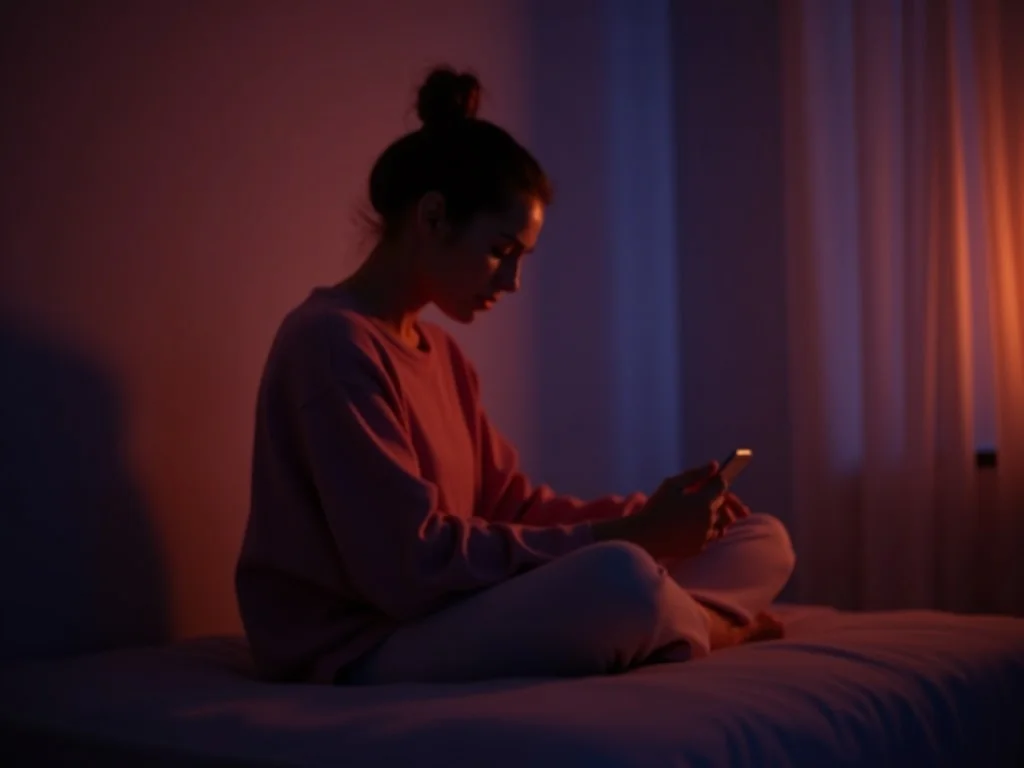
About an hour before bed, dim the lights and put away screens. Blue light from phones and laptops suppresses melatonin, the hormone that helps you fall asleep. Instead, encourage activities like reading a physical book, listening to calm music, or taking a warm shower.
Set a Consistent Sleep Schedule
Going to bed and waking up at the same time every day—even on weekends—helps regulate the internal clock. If your teen is used to sleeping in on Saturdays, shift that by no more than one hour to avoid social jet lag.
Limit Caffeine and Heavy Meals in the Evening
Caffeine can stay in the system for up to six hours. Avoid soda, energy drinks, and coffee after 3 p.m. Also, heavy or spicy foods close to bedtime can cause discomfort and disrupt sleep.
Make the Bedroom a Sleep Sanctuary
Keep the room cool, dark, and quiet. Use blackout curtains and a white noise machine if needed. Remove TVs and gaming consoles from the bedroom to strengthen the association between bed and sleep.
Comparing Different Approaches
| Approach | How It Works | Effectiveness | Best For |
|---|---|---|---|
| Gradual schedule shift | Move bedtime 15 minutes earlier each night | High when consistent | Teens with delayed sleep phase |
| Screen curfew | No screens 60 minutes before bed | Moderate to high | Teens who use devices heavily |
| Morning light exposure | Open curtains or use a light box upon waking | High for resetting circadian rhythm | Teens who struggle to wake up |
| Relaxation techniques | Deep breathing or progressive muscle relaxation | Moderate | Teens with anxiety or racing thoughts |
Start with one or two strategies that feel manageable. Consistency matters more than perfection. Over time, these small shifts can help your teen get closer to the recommended 8-10 hours of sleep.
Finding the Right Approach for You
Every teen is different, so the best sleep strategy depends on their unique schedule, personality, and challenges. Start by observing your teen’s natural patterns for a week. Note when they feel sleepy and when they struggle to wake up. This baseline helps you tailor changes that feel manageable, not overwhelming.
For a teen who resists early bedtimes, try shifting their schedule by 15 minutes every few days. If they’re glued to screens, a gradual screen curfew—moving it 10 minutes earlier each night—can work better than an abrupt cutoff. The key is to pick one or two small adjustments and stick with them for at least two weeks.
Remember, consistency matters more than perfection. Some nights will be harder than others, and that’s okay. Celebrate small wins, like falling asleep 20 minutes earlier or waking up without a fight. Over time, these small changes build into a routine that supports their brain health and daily energy.
If your teen has tried several strategies for a month with no improvement, consider consulting a pediatric sleep specialist. Persistent sleep issues can sometimes signal underlying conditions like delayed sleep phase disorder or anxiety.

Building Long-Term Resilience: Daily Habits That Stick
You’ve made small adjustments and seen some progress. Now it’s time to build habits that last. The goal isn’t perfection—it’s creating a sustainable routine that supports your teen’s brain health every day.
Anchor Your Mornings
A consistent wake-up time—even on weekends—helps regulate the body’s internal clock. Expose your teen to natural light within 30 minutes of waking. This signals the brain to stop producing melatonin and boosts alertness.
Create a Wind-Down Ritual
About an hour before bed, dim the lights and put away screens. Encourage calming activities like reading, journaling, or light stretching. This routine tells the brain it’s time to shift into sleep mode.
Keep the Bedroom a Sleep Sanctuary
Use the bed only for sleep—not homework, scrolling, or eating. Keep the room cool, dark, and quiet. A consistent sleep environment reinforces the connection between bed and rest.
Watch What and When They Eat
Heavy meals, caffeine, and sugary snacks close to bedtime can disrupt sleep. Aim for a light snack if hungry, like a banana or a small bowl of oatmeal. Avoid caffeine after 2 p.m.
Move During the Day
Regular physical activity—even 20 minutes of walking—improves sleep quality. But avoid vigorous exercise within two hours of bedtime, as it can be too stimulating.
Remember: consistency is key. It takes about three weeks for a new habit to feel automatic. Stick with these practices, and your teen’s sleep—and brain health—will thank you.
FAQ
You’ve heard the recommendation, but real life often gets in the way. Here are answers to common questions about teen sleep needs.
What if my teen can’t fall asleep before midnight?
Many teens experience a natural shift in their circadian rhythm, making it hard to fall asleep early. Instead of forcing an early bedtime, focus on a consistent wake time and morning light exposure. Over time, this helps reset their internal clock.
Can teens catch up on sleep over the weekend?
Sleeping in on weekends might feel restorative, but it can disrupt the sleep-wake cycle. A difference of more than two hours between weekday and weekend sleep times creates a kind of jet lag. Aim for a consistent schedule within an hour each day.
Does caffeine affect teen sleep differently?
Yes, teens are more sensitive to caffeine’s effects. It can stay in their system for up to six hours, so cutting off caffeine by early afternoon is wise. Even small amounts can delay sleep onset and reduce sleep quality.
What about naps? Are they helpful or harmful?
Short naps of 20–30 minutes can boost alertness, but longer naps or those taken late in the day can interfere with nighttime sleep. If your teen needs a nap, keep it early and brief.
How can I tell if my teen is getting enough sleep?
If you notice persistent fatigue, irritability, or falling grades, it may be time to adjust their sleep habits or consult a healthcare provider.
Conclusion
Learning how many hours of sleep do teens need is a journey, not a destination. The techniques outlined above give you practical tools you can use tonight. Start with one small change and build from there. Your mind can learn to quiet itself — it just needs the right signals.
Medical Disclaimer: This article is for informational purposes only and does not constitute medical advice, diagnosis, or treatment. The information provided is not a substitute for professional medical advice. Always consult a qualified healthcare professional before making any decisions about your physical or mental health.