
Understanding Sleep Foundation and Why It Matters Today
You know that feeling when you wake up groggy, even after a full night in bed? It’s frustrating, and it often points to a weak sleep foundation. This isn’t just about the number of hours you log; it’s about the quality, consistency, and environment that support deep, restorative rest.
For a deeper dive, see our the full guide.
Think of your sleep foundation as the bedrock of your daily well-being. When it’s solid, you think clearer, manage stress better, and feel more energized. When it’s shaky, everything else suffers. Research suggests that a strong sleep foundation can improve memory consolidation and emotional regulation.
Today, many people overlook this core concept. They focus on quick fixes like sleep aids or late-night scrolling, missing the bigger picture. Building a reliable sleep foundation means addressing your sleep schedule, bedtime routine, and bedroom setup. It’s the single most impactful step you can take for better rest.
In this guide, you’ll learn what makes a sleep foundation strong, what science says about it, and practical ways to build yours. Let’s start by exploring the evidence behind why this matters so much.
What Research Tells Us: The Evidence Behind This
You might wonder why building a strong this healing process matters so much. Research suggests that consistent sleep patterns directly influence your brain’s ability to process information and regulate emotions. Studies indicate that people with irregular sleep schedules often experience more mood swings and cognitive fog.
Clinicians often recommend focusing on three core pillars: timing, environment, and routine. When you align your sleep with your natural circadian rhythm, your body produces melatonin more effectively. This hormone helps you fall asleep faster and stay asleep longer.
The Role of Sleep Consistency
Going to bed and waking up at the same time every day—even on weekends—strengthens your internal clock. Research suggests that even small variations can disrupt sleep quality. Over time, this consistency reduces the time it takes to fall asleep and improves overall restfulness.
Environmental Factors That Matter
Your bedroom setup plays a bigger role than you might think. Studies indicate that a cool, dark, and quiet room promotes deeper sleep. Light exposure, especially from screens, can suppress melatonin production and delay sleep onset.
By addressing these factors, you create an environment that supports your these practical steps. Small changes can lead to noticeable improvements in how you feel each day.
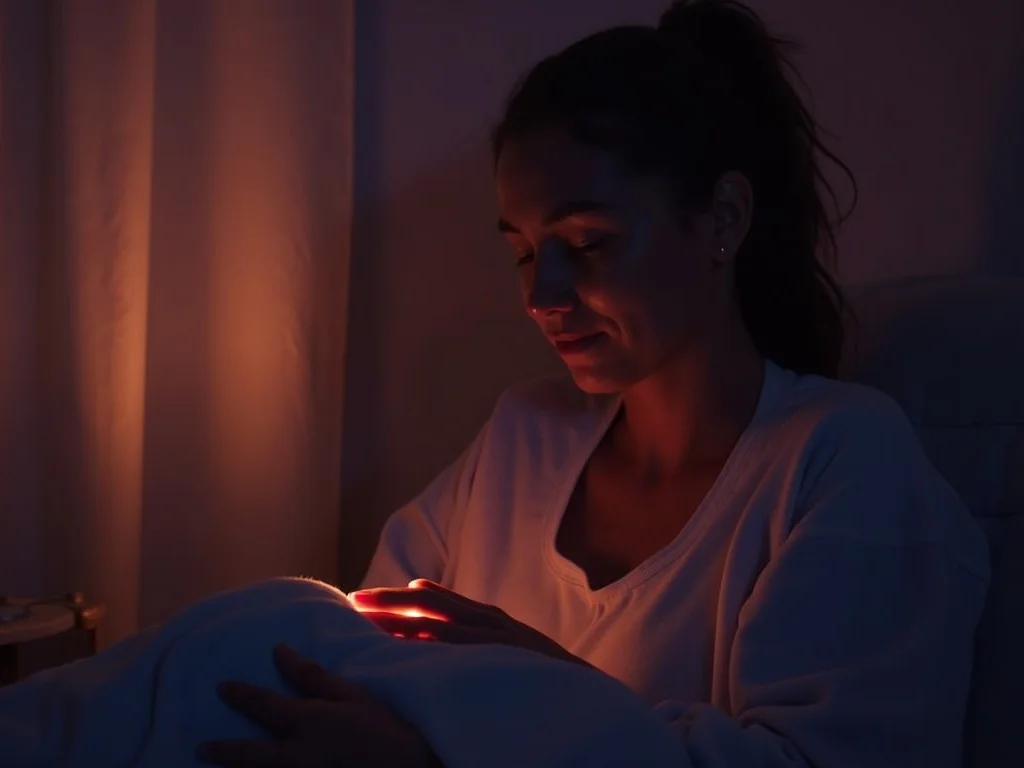
Practical Strategies You Can Start Using Right Now
You don’t need a complete overhaul to see real improvements. Small, consistent changes can make a big difference in how you sleep. Start with one or two of these strategies tonight.
Tweak Your Evening Wind-Down
Your body needs cues to shift into sleep mode. Dim the lights an hour before bed and put away screens. Blue light from devices suppresses melatonin, making it harder to fall asleep.
- Set a consistent bedtime and wake time, even on weekends.
- Avoid caffeine after 2 p.m. and limit alcohol close to bedtime.
- Keep your bedroom cool, dark, and quiet.
Manage Racing Thoughts
If your mind won’t quiet down, try a simple breathing exercise. Inhale for four counts, hold for four, exhale for six. Repeat a few times to activate your relaxation response.
Another option is the “worry dump.” Write down everything on your mind for five minutes before bed. This can help you release anxious thoughts and create mental space for sleep.
Optimize Your Sleep Environment
Your bedroom should be a sanctuary for sleep. Consider blackout curtains to block light, a white noise machine to mask disruptive sounds, and a comfortable mattress and pillows.
Consistency is key. Your body thrives on routine, so stick with these changes for at least two weeks to see lasting benefits.
Finding the Right Approach for You
Everyone’s sleep challenges are unique, so a one-size-fits-all solution rarely works. The key is to experiment with different strategies and see what resonates with your lifestyle and preferences. Start by identifying your biggest sleep disruptor—whether it’s stress, screen time, or an uncomfortable environment—and target that first.
For example, if racing thoughts keep you awake, a worry dump—writing down concerns before bed—can help clear your mind. If light is the issue, try blackout curtains or a sleep mask. The goal is to build a personalized toolkit that you can adjust as needed.
Keep a simple sleep log for a week to track patterns. Note your bedtime, wake time, and how rested you feel. This data helps you see what’s working and what needs tweaking. Remember, small changes often lead to big improvements over time.
If you’ve tried several approaches and still struggle, consider consulting a sleep specialist. They can offer tailored guidance and rule out underlying conditions. You deserve restful sleep, and finding the right path is a journey worth taking.

Building Long-Term Resilience: Daily Habits That Stick
Consistency is the secret to lasting sleep improvement. Small, daily actions build a strong the strategies above over time. You don’t need a complete lifestyle overhaul—just a few reliable habits.
Start by setting a fixed wake-up time, even on weekends. This anchors your body’s internal clock. Pair it with exposure to natural light within 30 minutes of rising. Morning light signals your brain to feel alert and helps regulate melatonin production later.
Next, create a wind-down routine that lasts 30 to 60 minutes. Dim the lights, put away screens, and choose a calming activity like reading or gentle stretching. Repeating the same sequence each night trains your brain to associate it with sleep.
Daytime habits matter too. Regular physical activity—even a 20-minute walk—deepens sleep. But avoid vigorous exercise within two hours of bedtime.
Also, limit caffeine after 2 p.m. and keep alcohol intake moderate, as it disrupts sleep quality.
| Approach | How It Works | Effectiveness | Best For |
|---|---|---|---|
| Fixed wake time | Stabilizes circadian rhythm | High for most people | Anyone with irregular sleep |
| Morning light exposure | Suppresses melatonin, boosts alertness | High when done consistently | Night owls and shift workers |
| Wind-down routine | Creates sleep cues via repetition | Moderate to high | People with racing thoughts |
| Daytime exercise | Increases sleep drive and deep sleep | Moderate | Those with mild insomnia |
Track your progress with a simple sleep log. Note bedtime, wake time, and how you feel each morning. Over weeks, patterns emerge.
You’ll see what works and what doesn’t. Adjust one habit at a time to avoid overwhelm.
Finally, be patient. Building resilience takes weeks, not days. If you slip up, don’t stress—just get back on track the next night. Your sleep foundation strengthens with each consistent choice.
FAQ
You’ve learned a lot about building a strong these evidence-based approaches. Now let’s tackle common questions that often come up.
How long does it take to see results from improving sleep habits?
Most people notice small improvements within a week or two. But lasting change usually takes three to six weeks of consistent practice. Be patient with yourself.
What if I wake up in the middle of the night and can’t fall back asleep?
This is frustrating, but common. Instead of lying in bed worrying, get up and do something calming in dim light. Return to bed only when you feel sleepy again.
Is it okay to use sleep aids or supplements?
Some people find short-term relief with over-the-counter options like melatonin. But research suggests they work best as a temporary bridge, not a long-term solution. Always talk to your doctor first.
Can exercise too close to bedtime hurt my sleep?
For most people, moderate exercise any time of day is fine. But intense workouts within an hour of bed can raise your heart rate and body temperature, making it harder to drift off.
What about napping? Is it good or bad?
Short naps (20–30 minutes) early in the afternoon can boost alertness. Longer or later naps may interfere with your nighttime sleep. Listen to your body.
How does screen time really affect sleep?
Blue light from screens suppresses melatonin production. Studies indicate that using devices for 30 minutes before bed can delay sleep onset. Try a screen-free wind-down routine instead.
When should I see a doctor about my sleep issues?
If poor sleep lasts more than a month and affects your daily life, it’s time to seek professional help. Conditions like sleep apnea or chronic insomnia require medical attention.
Conclusion
Learning such techniques is a journey, not a destination. The techniques outlined above give you practical tools you can use tonight. Start with one small change and build from there. Your mind can learn to quiet itself — it just needs the right signals.
Medical Disclaimer: This article is for informational purposes only and does not constitute medical advice, diagnosis, or treatment. The information provided is not a substitute for professional medical advice. Always consult a qualified healthcare professional before making any decisions about your physical or mental health.